
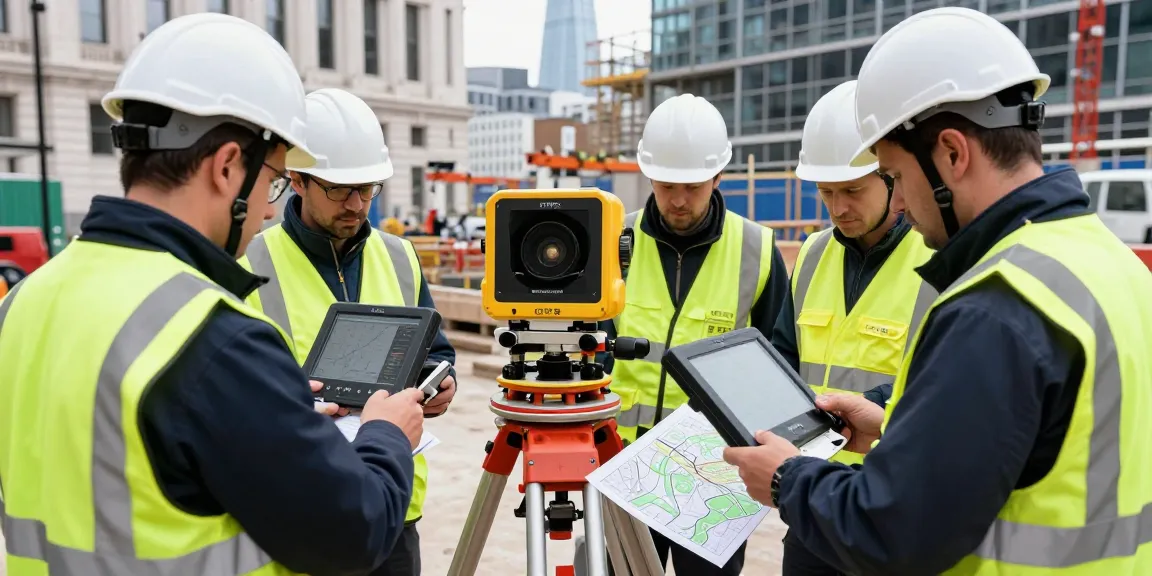
Understanding GPR Utility Surveys
Ground Penetrating Radar (GPR) utility surveys have become indispensable in the field of construction and civil engineering, particularly in urban planning where existing underground utilities can pose significant challenges. These non-invasive surveys use radar pulses to image the subsurface, allowing surveyors to detect and map out utilities such as water, gas, telecommunications, and electricity lines. Implementing GPR utility surveys effectively minimises the risk of accidental damage during excavation and construction phases, thereby saving both time and costs. When exploring options, GPR Utility surveys London provides comprehensive insights into utility mapping in densely populated areas.
What are GPR Utility Surveys?
GPR utility surveys utilise radar technology to send high-frequency radio waves into the ground, which then bounce back from buried objects and layers of different materials. The data collected is processed to create a visual representation of what lies beneath the surface. This method is particularly effective in revealing hidden utilities without the need for intrusive digging. GPR is capable of detecting various materials, including metal, plastic, and concrete, making it suitable for a wide range of applications.
Benefits of GPR Utility Surveys London
- Non-invasive approach: Unlike traditional excavation methods, GPR surveys do not disturb the ground, thus preserving the existing landscape.
- Accuracy: GPR technology can provide precise location data, reducing the likelihood of utility strikes during construction.
- Timely results: Surveys can often be completed in a short timeframe, allowing for quick decision-making.
- Cost-effective: By preventing potential damage to underground utilities, GPR surveys help avert costly repairs and project delays.
Common Applications in Urban Development
Urban development projects frequently involve complex underground infrastructure. GPR utility surveys are essential in the following scenarios:
- Roadworks: Assessing the condition and location of existing utilities before road construction.
- Building developments: Mapping underground utilities in preparation for new buildings or extensions.
- Renovation projects: Identifying hidden utilities that may impact design plans for refurbishing existing structures.
- Infrastructure maintenance: Regular surveys can help maintain and manage existing utility networks.
Choosing the Right Surveying Company
Selecting a qualified surveying company is crucial to ensuring the success of your project. Not all surveying firms possess the same level of expertise, particularly when it comes to advanced technologies like GPR.
Key Qualities to Look For in Surveyors
- Experience: Look for companies with a proven track record in GPR utility surveys.
- Accreditations: Ensure that the surveyors are accredited by relevant industry bodies such as The Survey Association (TSA).
- Technology: Assess whether the company uses state-of-the-art equipment for accurate and reliable results.
Evaluating Experience and Accreditations
Experience in the field is paramount. Companies that have been operating for several years often have encountered various challenges that enhance their problem-solving abilities. Additionally, reputable firms typically hold certifications from recognised organisations, which can be a testament to their credibility and expertise.
Why Local Knowledge Matters
Local knowledge is vital in surveying. Understanding the regional infrastructure can greatly enhance the efficiency of utility surveys. Surveyors familiar with London and its underground layout will be more adept at anticipating potential issues and guiding projects effectively.
Best Practices for GPR Utility Surveys
To maximise the effectiveness of GPR utility surveys, several best practices should be adhered to during the planning and execution phases.
Preparing Your Site for Surveys
- Clear Communication: Ensure that all stakeholders understand the survey goals and expectations.
- Site Access: Verify that the surveying team has unobstructed access to the planned survey areas.
- Preliminary Research: Gather existing utility maps and consult with local utility companies prior to conducting the survey.
Understanding Survey Outputs and Reports
After a GPR survey is conducted, surveyors produce detailed reports that outline their findings. It’s crucial that project managers understand how to interpret these reports accurately, identifying the locations and types of utilities detected. This information is essential for making informed decisions regarding project execution.
Integrating Survey Data into Project Plans
GPR data should be integrated into overall project plans to avoid potential conflicts between construction activities and underground utilities. This requires collaboration between surveyors, architects, and engineers to ensure that all parties have access to the necessary information.
Real-World Case Studies
Real-world applications of GPR technology highlight its effectiveness and the lessons learned from various projects.
Successful Utility Surveys in London Projects
Numerous urban projects in London have benefited from GPR utility surveys. For instance, a recent infrastructure project in the City of London successfully utilised GPR to identify a network of water pipes in a historically sensitive area, avoiding potential damage and delays.
Lessons Learned from Missteps
Conversely, there have been cases where insufficient pre-survey research led to unexpected complications during construction. These instances underscore the importance of thorough site assessments and accurate mapping before any ground-breaking work begins.
Innovative Uses of GPR Technology
Innovative applications of GPR continue to emerge, particularly with the integration of software that enhances data interpretation. This evolution allows for more detailed analyses and improved decision-making in construction projects.
Future Trends in GPR Utility Surveys
The future of GPR utility surveys looks promising, driven by technological advancements and increasing demand for accuracy and efficiency in construction.
Emerging Technologies and Techniques
As surveying technology advances, we can expect to see enhanced GPR systems that provide even more accurate data with faster processing times. The integration of artificial intelligence could further revolutionise how survey data is interpreted and utilised.
Predictions for the Industry by 2026
By 2026, the surveying industry will likely witness broader adoption of GPR technology, particularly as urban areas continue to expand. The need for efficient, non-invasive utility mapping will drive investment into more sophisticated GPR equipment and training for surveyors.
Environmental and Regulatory Considerations
With growing environmental concerns, there will be increased scrutiny on construction and surveying practices. Compliance with regulations will become even more critical, making accurate utility surveys essential in avoiding legal complications.
How to Choose the Right Utility Survey Approach?
Choosing the appropriate utility survey approach depends on various factors, including the project scale, budget, and the specific materials involved. A combination of GPR with other techniques, such as electromagnetic methods, can provide a comprehensive understanding of the subsurface.
What are the Typical Costs Associated with GPR Utility Surveys?
The costs of GPR utility surveys can vary widely based on the survey size and complexity. On average, clients should expect prices to range from £1,000 to over £5,000, depending on the extent of the survey and the company selected.
How do GPR Surveys Impact Project Timelines?
GPR surveys can significantly enhance project timelines by preventing unexpected disruptions during excavation. Early identification of utilities allows for smoother construction processes, reducing delays and associated costs.
What Qualifications Should I Look For in a GPR Surveyor?
When selecting a GPR surveyor, look for qualifications such as relevant degrees in surveying, certifications from recognised industry bodies, and hands-on experience with GPR technology. A strong portfolio showcasing previous projects can also offer insights into their capabilities.
Are GPR Utility Surveys Suitable for Residential Projects?
Yes, GPR utility surveys are highly beneficial for residential projects, particularly when homeowners are planning renovations or new constructions. Understanding the location of underground utilities can prevent costly mistakes and ensure smooth project execution.